★UNITED STATES
-
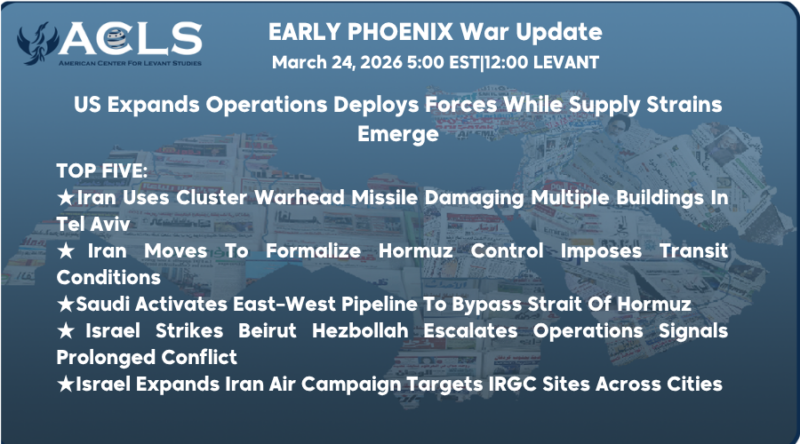
US Expands Operations Deploys Forces While Supply Strains Emerge
U.S. Central Command denied Iranian claims of downing an F-15 and reported over 9,000 targets struck across Iran following more than 9,000 sorties, with about 140 Iranian vessels damaged or destroyed. Officials said thousands of Marines are deploying aboard USS Tripoli, USS New Orleans, and USS Boxer, while additional forces including elements of the 82nd Airborne are under consideration. Separate analysis warned Hormuz disruptions are straining critical materials for U.S. defense production, raising concerns over sustainment.
-
Trump Signals Iran Deal Progress Pauses Strikes Mixed Global Reactions
U.S. President Donald Trump said talks with Iran produced “major points of agreement” within a proposed 15-point framework, including halting enrichment and transferring enriched uranium, while pausing strikes on Iranian energy infrastructure for five days. Iran denied direct talks but confirmed indirect messages via intermediaries and warned any energy strikes would trigger retaliation. Reactions were mixed, with Israel continuing operations, Oman focusing on Hormuz stability, and European officials welcoming de-escalation signals. Iranian parliament speaker Mohammad Bagher Ghalibaf denied any negotiations with the United States, calling reports of talks “false news” aimed at influencing oil and financial markets. He said Iran remains committed to punishing aggressors and emphasized unified political backing for continued military and strategic efforts.
===========
★IRAN
-
Iran Uses Cluster Warhead Missile Damaging Multiple Buildings In Tel Aviv
Iran fired a ballistic missile equipped with a cluster warhead that split mid-air into multiple submunitions, striking central Tel Aviv and damaging at least three buildings. Reports indicate the warhead dispersed several explosive bomblets, each carrying significant payloads, amplifying impact across a wide urban area. Such cluster munitions are designed to overwhelm air defenses and increase destruction against civilian infrastructure.
-
Iran Concentrates Attacks On Gulf Expands Cyber And Missile Campaign
Iran launched over 400 ballistic missiles toward Israel with about 92 percent intercepted, while directing roughly 1,119 missiles and thousands of drones at Gulf states, accounting for about 85 percent of total attacks targeting energy, airports, and urban sites. Gulf countries reported widespread interceptions and damage, including power outages in Kuwait and casualties in the UAE. Parallel cyber operations targeted banking, energy, and government systems, with reported disruptions to regional data infrastructure and increased risk to critical services.
-
IRGC Claims Successive Strike Waves Threatens Regional Energy Infrastructure
Iran’s Islamic Revolutionary Guard Corps claimed the 77th and 78th waves of “Operation True Promise 4” targeted Israeli sites including Eilat, Dimona, and Tel Aviv, and U.S. bases in Kuwait, Saudi Arabia, and the UAE using ballistic missiles and drones. The group warned it would strike regional energy infrastructure if U.S. forces target Iranian facilities, signaling potential escalation tied to energy and deterrence dynamics.
-
Iran Moves To Formalize Hormuz Control Imposes Transit Conditions
Iranian officials signaled ships must coordinate bilaterally to transit the Strait of Hormuz, with reports of at least one vessel charged a $2 million passage fee, indicating efforts to formalize control over the waterway. The move coincides with expanded threats to target regional energy, telecommunications, and water infrastructure if Iranian assets are struck, reinforcing a broader escalation framework tied to economic and maritime pressure.
-
Iran Mocks US War Justification Highlights Narrative Of Aggression
Iranian Foreign Ministry spokesman Esmail Baghaei rejected U.S. claims of an “imminent threat,” citing comments by Senator Lindsey Graham about ending a “2,000-year conflict” to question U.S. rationale for the war. Iranian messaging framed the conflict as unprovoked aggression and highlighted IRGC “Operation True Promise 4,” claiming dozens of retaliatory strike waves against U.S. and Israeli targets.
=========
★ISRAEL
-
Israel Strikes Beirut Hezbollah Escalates Operations Signals Prolonged Conflict
Israeli forces conducted at least seven airstrikes on Beirut’s southern suburbs targeting Hezbollah infrastructure, with Lebanese authorities reporting two killed in a separate strike in Baabda district and additional strikes in southern Lebanon. The Israeli military said it captured Hezbollah fighters planning an anti-tank attack. Hezbollah reported extensive drone and rocket attacks, including 85 attack waves in one day, while officials warned of a prolonged war and potential post-war political confrontation with the Lebanese government.
-
Israel Expands Iran Air Campaign Targets IRGC Sites Across Cities
Israeli and U.S. strikes targeted IRGC facilities in Tehran, Isfahan, Tabriz, and Shahrekord, including Basij command units and missile-related research centers, while Israeli operations involving over 200 aircraft hit approximately 500 targets in the largest air campaign to date. The Israeli military also struck IRGC headquarters in Tehran and additional weapons sites, reportedly using a mix of munitions including older unguided bombs. Prime Minister Benjamin Netanyahu said strikes will continue despite potential U.S.–Iran talks, emphasizing protection of Israel’s interests.
===========
★GULF STATES
-
Saudi Activates East–West Pipeline To Bypass Strait Of Hormuz
Saudi Arabia is expanding use of its East–West pipeline to reroute oil exports from Gulf terminals to Red Sea facilities at Yanbu, bypassing the Strait of Hormuz. The pipeline carries roughly 5 to 6 million barrels per day, nearing capacity. Officials have offered alternative delivery routes to buyers, but the system cannot fully replace Hormuz, which handles about 20 million barrels daily globally.
-
US Approves Saudi Request To Replenish Air Defense Stockpiles
U.S. officials said the Trump administration approved Saudi requests to replenish defensive weapons amid concerns over potential Iranian attacks on civilian infrastructure. According to CNN, Washington also authorized transfers allowing allies to redirect U.S.-made weapons from their stockpiles to Saudi Arabia.
-
Gold Falls Sharply Despite War As Rate Expectations Rise
Gold prices fell more than 5 percent to about $4,226 per ounce, the lowest level in 2026, marking a ninth straight session of losses and the worst weekly drop since 1983. Prices are down over 20 percent from January highs. The decline comes as conflict-driven inflation concerns reinforce expectations of higher global interest rates, reducing demand for non-yielding assets like gold despite ongoing war.
==========
★IRAQ
-
Iran Expands Iraq Network Rockets Strike Syria Base From Iraqi Territory
Sources told Asharq Al-Awsat Iranian Quds Force elements deployed into Iraq to coordinate proxy operations and establish a secondary command structure, positioning Baghdad as a key intelligence hub. Separately, five rockets launched from inside Iraq struck a Syrian base near al-Ya’rubiyah in Hasakah province, with no casualties reported, prompting Syrian forces to raise alert and Iraqi forces to begin search operations near Tal al-Hawa.
==========
★ Disclaimer: This publication is a digest of various news sources compiled by the Early Phoenix team and edited by Rania Kisar. The items are curated, concise summaries of news items hyperlinked within each story. The items and summaries presented do not necessarily represent the views of the American Center for Levant Studies.