

★ IRAN
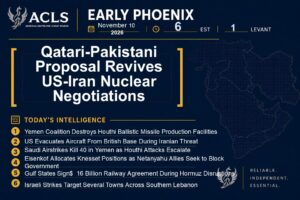
Qatari-Pakistani Proposal Revives US-Iran Nuclear Negotiations
A Qatari-Pakistani proposal has revived US-Iran negotiations, offering the immediate reopening of the Strait of Hormuz, lifting the naval blockade, releasing $6–9 billion in Iranian assets, and resuming nuclear inspections, with preliminary enrichment capped at 3.67%. Trump ruled out renewed war but kept military options open, while Iran reviews Qatar’s proposal. Iraqi Prime Minister Ali al-Zaidi reportedly led a secret delegation to Tehran, delivering a US message as Baghdad seeks to mediate tensions.
US Evacuates Aircraft From British Base During Iranian Threat
The US evacuated aircraft from Britain’s RAF Mildenhall base following an Iranian threat, redirecting refueling planes to Germany and other locations. Security alerts were raised at Mildenhall and Lakenheath amid intelligence warnings of Iranian-backed plots targeting US personnel and aircraft, as President Trump signaled progress in negotiations while keeping military options open.
France Summons Iranian Ambassador Over Suspected Cyberattacks on Supermarkets
France summoned Iran’s ambassador over cyberattacks targeting supermarket refrigeration systems, which reportedly affected around 700 stores and caused millions of euros in losses. Paris accused Iran’s Revolutionary Guards of responsibility, while prosecutors sought international arrest warrants for the suspected leaders of the Shahid Kaveh cyber unit.
=================
★ ARABIAN PENINSULA
Yemen Coalition Destroys Houthi Ballistic Missile Production Facilities
Yemen’s Saudi-led coalition announced the destruction of two factories and an electronics facility used by the Houthis to manufacture ballistic missiles in Sanaa. Coalition spokesman Major General Turki Al-Maliki said the targets produced missile components, solid fuel and electronic systems, stressing continued efforts to dismantle the Houthis’ ballistic missile network.
Saudi Airstrikes Kill 40 in Yemen as Houthi Attacks Escalate
At least 40 people, mostly women and children, were killed and 40 were wounded in Saudi airstrikes on Sanaa province, according to Houthi media. Meanwhile, Houthi missile attacks forced Yemen’s internationally recognised government to suspend cabinet meetings in Aden, as fighting intensified in Taiz and humanitarian concerns grew over disrupted healthcare and vaccination access.
Saudi East-West Oil Pipeline Hit by Attack in Medina Region
Saudi Arabia’s East-West oil pipeline was struck in the Medina region, causing a limited fire that state media said was extinguished without casualties or operational disruption. The 1,200-km pipeline carries around 4 million barrels of crude daily to Yanbu, bypassing the disrupted Strait of Hormuz.
Yemeni Forces Target Houthis in Major Operation, Killing 127 Fighters
Yemen’s armed forces said Operation“Dawn of Yemen” involved 17 airstrikes, 123 drone attacks and hundreds of artillery and rocket strikes against Houthi positions across several fronts. Initial estimates reported 127 Houthi leaders and fighters killed or wounded, 158 vehicles and military assets destroyed or damaged, and advances by government forces in Jawf and other fronts.
Gulf States Sign $16 Billion Railway Agreement During Hormuz Disruptions
The six GCC countries signed a general agreement for a 2,117-km railway network costing up to $16 billion to strengthen regional trade and reduce reliance on maritime routes amid Strait of Hormuz disruptions. With over 50% complete, the project aims to be fully operational by 2030, connecting Gulf markets, ports, and logistics hubs.
=================
★ ISRAEL
Eisenkot Allocates Knesset Positions as Netanyahu Allies Seek to Block Government
Israeli prime minister-designate Gadi Eisenkot agreed with opposition partners on key Knesset appointments, nominating Matan Kahana as speaker and Avigdor Lieberman to head the Foreign Affairs and Defense Committee, and Liran Avisar Ben-Horin to lead the Finance Committee. Meanwhile, Netanyahu aide Natan Eshel reportedly held secret talks with Arab leader Mansour Abbas to undermine Eisenkot’s efforts to secure a 61-seat majority, with Arab parties holding 19 pivotal seats.
=================
★ IRAQ
Iraq to Reopen Sheeb Crossing, Temporarily Close Mandali Border
Iraq will reopen the Sheeb border crossing with Iran on Tuesday after completing technical preparations, while temporarily closing Mandali from Friday. The moves follow reported US pressure on Baghdad to shut most crossings with Iran, although officials have not confirmed whether the changes are linked to Washington’s request.
Iraq PM Intensifies Crackdown on Iran-Backed Militias
Iraqi Prime Minister Ali al-Zaidi is expanding efforts to curb Iran-backed militias through arrests, military authorizations and financial investigations, including detaining three Popular Mobilization Forces members over a missile shipment and canceling contracts linked to armed groups. The measures follow US pressure and come amid suspected militia involvement in the November 8 attack on the Khor Mor gas field.
Iraq Reports Significant Growth in Non-Oil Revenues
Iraq’s non-oil revenues accounted for 23% of total public income in the first eight months of 2026, reaching $7.1 billion, up 23.5% year-on-year in the first seven months. Financial adviser Mazhar Mohammed Saleh called for tax and customs reforms, improved public revenue collection and economic diversification to reduce oil dependence and address fiscal pressures.
=================
★ LEBANON
Israeli Strikes Target Several Towns Across Southern Lebanon
Israeli warplanes struck Kfartibnit and Toulousa in southern Lebanon, while artillery shelled the outskirts of Mefdoun, Hadatha and Haris. A drone also struck Jarmak and dropped a bomb near farmers in Deir Mimas, causing no injuries. The attacks come despite a ceasefire announced on June 20.
=================
★ Disclaimer: This publication is a digest of various news sources compiled by the Early Phoenix team and edited by Rania Kisar. The items are curated, concise summaries of news items hyperlinked within each story. The items and summaries presented do not necessarily represent the views of the American Center for Levant Studies.