

★USA
Pakistan Submits Amended Iranian Proposal to the United States
A Pakistani source said Islamabad has delivered a revised Iranian proposal to the United States, as indirect talks continue through Pakistan. Both sides are reportedly adjusting their demands, with Iran insisting on sanctions relief and frozen asset releases. US President Donald Trump said Iranians “desperately want a deal,” while differences persist over nuclear restrictions, timing, and broader regional conditions.
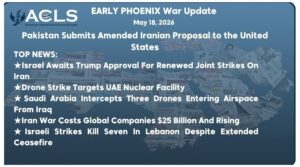
Israel Awaits Trump Approval For Renewed Joint Strikes On Iran
Israeli officials said Tel Aviv is awaiting President Donald Trump’s approval to resume joint military strikes on Iran as US-Iran talks remain stalled. Reports said Washington expanded weapons deliveries to Israel while the Pentagon prepared attack plans targeting Iranian energy infrastructure. Prime Minister Benjamin Netanyahu discussed Iran and possible renewed conflict with Trump, as Pakistan continued mediation efforts seeking a lasting agreement.
CENTCOM Led Regional Shield Against Iranian Missile And Drone Attacks
CENTCOM chief Admiral Brad Cooper said regional air defenses intercepted more than 6,000 drones and 1,500 ballistic missiles during the Iran conflict, protecting US forces, Israel, and Arab allies. He highlighted unprecedented cooperation through the Middle East Air Defense network, integrating US, Israeli, and Gulf systems into a joint shield that significantly limited damage and strengthened regional deterrence capabilities.
===========
★IRAN
Iran War Costs Global Companies $25 Billion And Rising
A Reuters analysis found the US-Israeli war with Iran has cost global companies at least $25 billion and continues to rise, as energy prices surge above $100 a barrel and supply chains are disrupted. Airlines, automakers, and consumer firms face major profit hits, with over 279 companies reporting impacts through price hikes, production cuts, and suspended payouts, while inflation risks and margin pressure are expected to intensify.
===========
★LEBANON
Israeli Strikes Kill Seven In Lebanon Despite Extended Ceasefire
Israeli airstrikes killed seven people in Lebanon, including a Palestinian Islamic Jihad commander and his daughter in Baalbek, despite a recently extended ceasefire with Hezbollah. Israel continued strikes and evacuation warnings across southern Lebanon, while Hezbollah claimed new attacks on Israeli forces. More than 400 people have been killed in Lebanon since the ceasefire began, according to Lebanese authorities.
===========
★THE GULF
Drone Strike Targets UAE Nuclear Facility
A drone strike damaged an electrical generator near the UAE’s Barakah Nuclear Power Plant, with sources saying the attack aimed to warn Abu Dhabi of possible future strikes on the reactor itself. The UAE is investigating Iranian or Houthis’ involvement, while officials called the incident a dangerous escalation. Authorities confirmed no injuries or radiation leaks, and the IAEA said the plant’s systems and radiation levels remained normal.
Saudi Arabia Intercepts Three Drones Entering Airspace From Iraq
Saudi Arabia said its forces intercepted and destroyed three drones that entered the kingdom’s airspace from Iraq on Sunday morning. Defense Ministry spokesman Turki al-Maliki stressed that Riyadh reserves the right to respond at an appropriate time and place, vowing all necessary measures to protect Saudi sovereignty, national security, and the safety of citizens and residents.
Qatar Holds Regional Talks To Support US-Iran De-Escalation
Qatar’s Prime Minister Sheikh Mohammed bin Abdulrahman held talks with officials from Pakistan, Iran, the UAE, and Portugal on regional tensions and mediation efforts between Washington and Tehran. Doha backed Pakistan’s role in securing the ceasefire, warned against closing the Strait of Hormuz, condemned drone attacks targeting the UAE, and urged all parties to resume negotiations toward a comprehensive and lasting regional peace agreement.
===========
★IRAQ
Shiite Bloc Divisions in Iraqi Parliament Threaten Al-Zaydi Government
Iraqi political factions have begun realignment after the confidence vote for Prime Minister Ali al-Zaydi’s government, with growing rifts inside the Shiite alliance over ministerial distribution and power-sharing. The “National Contract” and “Sumerians” blocs withdrew from the “Reconstruction and Development” coalition led by former PM Mohammed Shia al-Sudani, accusing it of political exclusion. Meanwhile, rival Shiite leaders are reportedly forming a new parliamentary bloc to pressure the government amid disputes over key ministries and incomplete cabinet approval.
===========
★ Disclaimer: This publication is a digest of various news sources compiled by the Early Phoenix team and edited by Rania Kisar. The items are curated, concise summaries of news items hyperlinked within each story. The items and summaries presented do not necessarily represent the views of the American Center for Levant Studies.