

IRAN
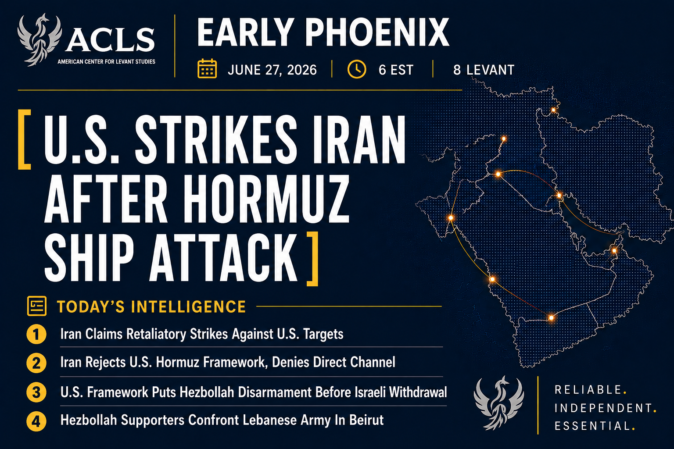
U.S. Strikes Iran After Hormuz Ship Attack
U.S. aircraft struck Iranian missile, drone, and coastal radar sites near Sirik after CENTCOM said Iran used a one-way attack drone against the Singapore-flagged M/V Ever Lovely in the Strait of Hormuz. A U.S. official told PBS that six aircraft hit four targets, including radar installations and missile and drone storage facilities. CENTCOM said the Iranian attack violated the ceasefire and threatened freedom of navigation as commercial traffic resumes through Hormuz. Iranian state media confirmed explosions near Tahrui Pier, saying a projectile hit the dock area after Iranian forces fired warning shots toward vessels it called “violators.” Iran appears to be testing the ceasefire to preserve control over Hormuz while avoiding full collapse of the negotiation track. Iran separately warned against Israeli aircraft approaching through neighboring countries.
Iran Claims Retaliatory Strikes Against U.S. Targets
Iran’s IRGC Navy said it struck U.S. military deployment sites in the region after U.S. aircraft hit Iranian missile, drone, and coastal radar facilities near the Strait of Hormuz. Iranian state media framed the response as retaliation for U.S. “aggression” and warned that any further strikes would bring a broader response.
Iran Rejects U.S. Hormuz Framework, Denies Direct Channel
Iran rejected the U.S.-PGCC declaration as “interventionist,” defended its right to regulate Strait of Hormuz traffic with Oman under the Islamabad MoU, and denied U.S. claims that Washington and Tehran established a direct Hormuz communication channel. Tehran said the waterway falls under Iranian sovereignty, accused Washington and Gulf states of using maritime security claims to preserve U.S. military dominance, and warned neighbors against allowing attacks from their territory. Separately, a member of Iran’s economic negotiating team said Tehran still intends to impose service fees on shipping transiting the strait.
LEBANON
U.S. Framework Puts Hezbollah Disarmament Before Israeli Withdrawal
Israel and Lebanon signed a U.S.-brokered framework tying phased IDF withdrawal to verified Hezbollah disarmament and restored Lebanese state control. The deal creates LAF-run pilot zones, U.S.-backed verification, direct Israeli-Lebanese negotiating tracks, and military coordination mechanisms. Reconstruction aid would begin after security benchmarks are met and be barred from reaching armed groups. Lebanon commits to restoring the state’s monopoly on force, while Israel says it has no territorial ambitions but retains self-defense rights until security arrangements are fulfilled.
Hezbollah Supporters Confront Lebanese Army In Beirut
Hezbollah rejected the U.S.-brokered framework, denounced the Lebanese government as illegitimate, denied participating in the negotiations, and warned that any attempt to implement Hezbollah’s disarmament would amount to an American-backed civil war. Armed Hezbollah supporters and fighters mobilized into central Beirut after Lebanon signed the U.S.-brokered framework with Israel, blocking roads and attempting to reach government institutions while denouncing the agreement. The Lebanese Army deployed heavily around the Grand Serail, airport road, and other sensitive areas, reopened blocked routes, and pushed demonstrators back, with clashes including stone-throwing at soldiers.
=============
★ Disclaimer: This publication is a digest of various news sources compiled by the Early Phoenix team and edited by Rania Kisar. The items are curated, concise summaries of news items hyperlinked within each story. The items and summaries presented do not necessarily represent the views of the American Center for Levant Studies.